





Islands and fishing have always gone hand in hand. Growing up on an island the size of Gozo, it is difficult not to develop a connection with the sea and its fishing traditions. From anglers casting their lines off the rocks at sunset to young boys scurrying excitedly along the shore with nets, pails and fishing rods, fishing is a familiar sight. In places like Marsalforn and Xlendi, fishermen can often be seen returning with their catch early in the morning, carrying crates of freshly caught fish glistening in the morning sun.
These scenes were once more common, when fishing provided a livelihood for many families. Today, fishing remains a smaller part of the island’s economy, but fresh catches still reach local restaurants and households, while on another level, fishing also offers recreation opportunities, from angling along the coast to organised fishing trips.
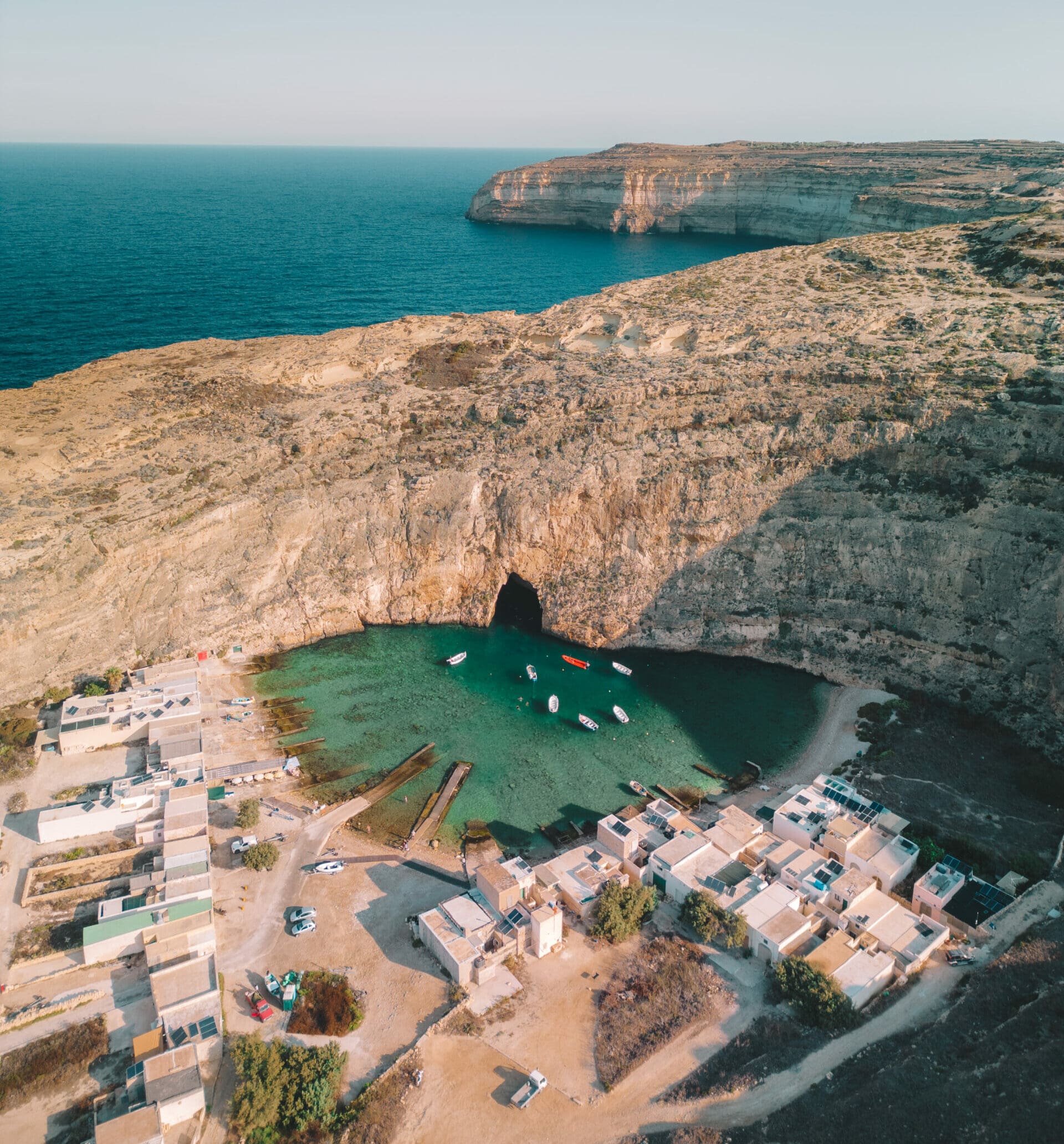
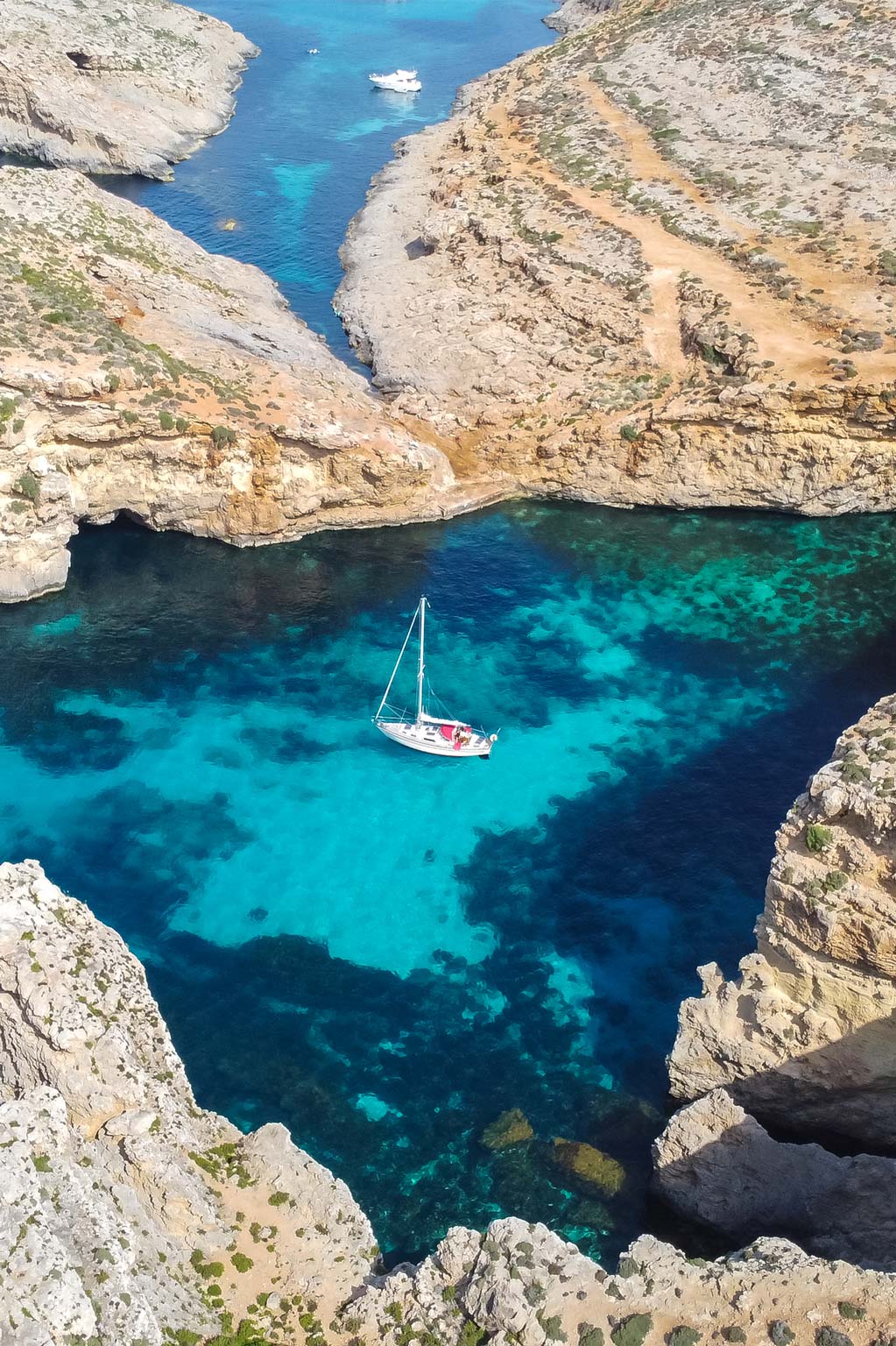
Gozo’s coastline is dotted with natural bays, coves and sheltered harbours that have long provided refuge for fishing boats. From Xlendi and Dwejra to Marsalforn, Mġarr Harbour and Mġarr ix-Xini, these coastal inlets were Gozo’s traditional fishing hubs for generations. Many of these and other locations naturally include quays and old fishermen’s huts. In Xlendi, the statue of Saint Andrew, patron saint of fishermen, has stood watch a step away from the quayside and right next to the boatyard for nearly 125 years. For those who notice it, it remains a fitting symbol of the island’s longstanding relationship with the sea.
Malta’s traditional boat, the colourful luzzu, is an ode to the Mediterranean spirit, rich in colour, character and heritage. One of its most distinctive features is the ‘Eye of Osiris’, painted on either side of the bow and traditionally associated with protection from the sea’s perils. The vivid shades of red, blue, yellow and green have featured on countless Gozitan postcards over the years. They also continue to inspire photographers and artists, who repeatedly capture picturesque scenes of fishing boats, harbour waters, and shimmering reflections in Gozo’s coastal inlets. Beyond their artistic appeal, however, these boats are first and foremost working vessels that were built to withstand the elements and the demands of the sea. The luzzu reflects generations of boatbuilding knowledge and craftsmanship, closely intertwined with the traditions of local fishing families and the skills involved in making and maintaining fishing nets.
The tradition of bringing fresh fish directly to households has not entirely disappeared. When fishermen haul in a good catch, traditional fish hawkers can still be found driving through village streets in their vans. Today, they announce their arrival with their horns, but in the past, they relied on their distinctive, shrill cry, ‘Għadhom ħajjin!’, meaning ‘They’re still alive!’. This cheerful call was all about the freshness of the fish. These hawkers often clean and prepare the fish for customers, who nowadays may be less familiar with handling it themselves. More enthusiastic fish lovers, particularly those with friends in the fishing community, may head directly to the quayside early in the morning to select their favourite catch for the day’s meal. Restaurants known for their seafood dishes often maintain very close relationships with their own suppliers, sourcing sought-after catches that feature on their ‘Menu of the Day’. This sea-to-table story, dictated by what nature and the season offer, not only connects the community but is also a vital part of the island’s vibrant food scene.
Fish and seafood are essential to Gozo’s culinary heritage. Coastal villages such as Xlendi, Marsalforn and the area around Mġarr Harbour offer plenty of dining opportunities at seafront restaurants. For a taste of traditional Gozitan cooking, start with aljotta, the classic Maltese fish soup, traditionally prepared with fish, garlic, tomatoes, herbs and rice. Other much-loved dishes include grilled or oven-baked fish, often served with a piquant sauce, and stews, typically slow-cooked with tomatoes, garlic, wine and herbs.
Seafood lovers look forward to the dorado or lampuki season, which usually begins towards the end of August. As fishermen return with their catches of this prized migratory fish, local kitchens embrace the season with a wonderful variety of dishes. Lampuki can be enjoyed fried and served with lemon and caponata, pan-seared or oven-baked in a rich tomato and caper sauce, or incorporated into fishcakes and pasta dishes. No celebration of lampuki season would be complete without torta tal-lampuki, the traditional lampuki pie and an autumn favourite. Its filling typically combines flaked fish with tomatoes, black olives, capers, mint and spinach, while some versions also include rice. It is a delicious example of how seasonal ingredients and generations of culinary tradition have shaped Gozo’s food culture.
Beyond the joy of a seafood feast, Gozo also offers the chance to head out on a fishing adventure. Joining an organised fishing trip or chartering a boat to explore the island’s coastline, discovering its secluded coves, sheltered bays, and open waters along the way, can be a novel experience.
In Gozo, the sea is an intrinsic part of the island experience. Although fishing has changed over time, its influence remains strong in coastal communities, and the island’s seafood heritage remains an important part of Gozo’s culinary identity.
BACK TO BLOG POSTS