



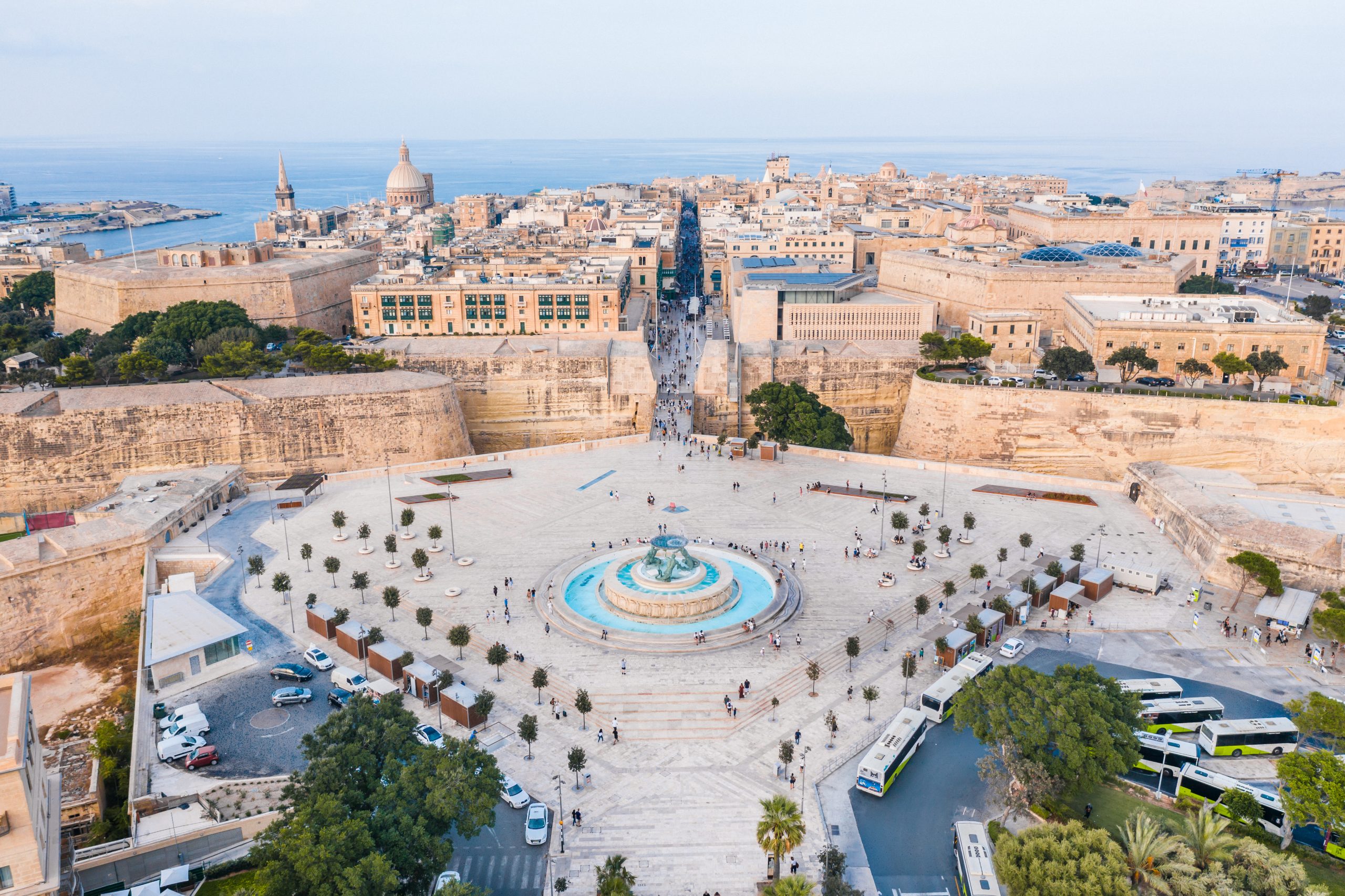


What happens when a small Gozitan village decides to put puppetry on an international stage? In Għarb, the answer is a festival that brings artists, families and audiences together in the village’s streets and squares, while placing local stories and traditions alongside international performances. As Għarb Mayor David Apap Agius puts it, it’s about maintaining local identity and using the village as a platform for international culture, bringing people together and creating experiences beyond screens and technology.
Now in its third edition, the Gozo International Puppet Festival reflects a vision that goes beyond entertainment. At a time when daily life is increasingly dictated by screens and technology, the festival takes audiences back to simple storytelling, the chance to be outdoors, and to encounter artists face to face.
This year the festival will take place from Friday 25th to Sunday 27th September, turning Għarb into an open-air theatre where giant puppets and marionettes mingle with people in street performances, and where workshops and artists from different countries create a weekend of magic and imagination. VisitGozo interviewed Mayor David Apap Agius, who has been spearheading the festival, about how it began, why puppetry was chosen, the role of Għarb’s heritage, and his vision for an international cultural festival rooted firmly in the village.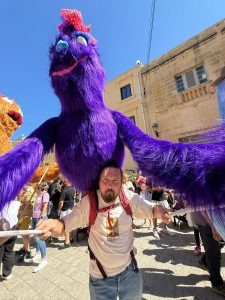
The idea came from a very simple belief: culture should not only be something we watch — it should be something we experience.
In Għarb we have always tried to think differently. We are a small village on a small island, but that should never limit our ambitions. I wanted to create an event that could transform our streets and squares, bring families together and, at the same time, give Għarb an international cultural dimension.
Puppetry immediately stood out because it crosses so many boundaries. It brings together theatre, craftsmanship, music, movement, imagination and storytelling. Most importantly, it speaks to everyone, regardless of age or language. From that idea, the Gozo International Puppet Festival was born.
There is something magical about seeing an object suddenly come alive in the hands of an artist. A puppet can make a child laugh, make an adult remember childhood, tell a centuries-old story or communicate an emotion without saying a single word.
That fascinated me.
I also saw an opportunity to bring something different to Gozo. Rather than simply organising another conventional event, we wanted to create an experience — something colourful, surprising and highly visual, where you turn a corner in Għarb and suddenly encounter a giant puppet, a marionette or a street performance.
That element of discovery is part of the festival’s identity.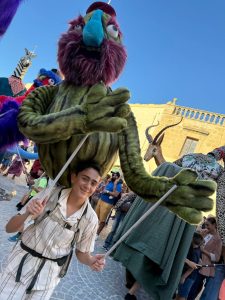
Because Għarb itself becomes part of the performance.
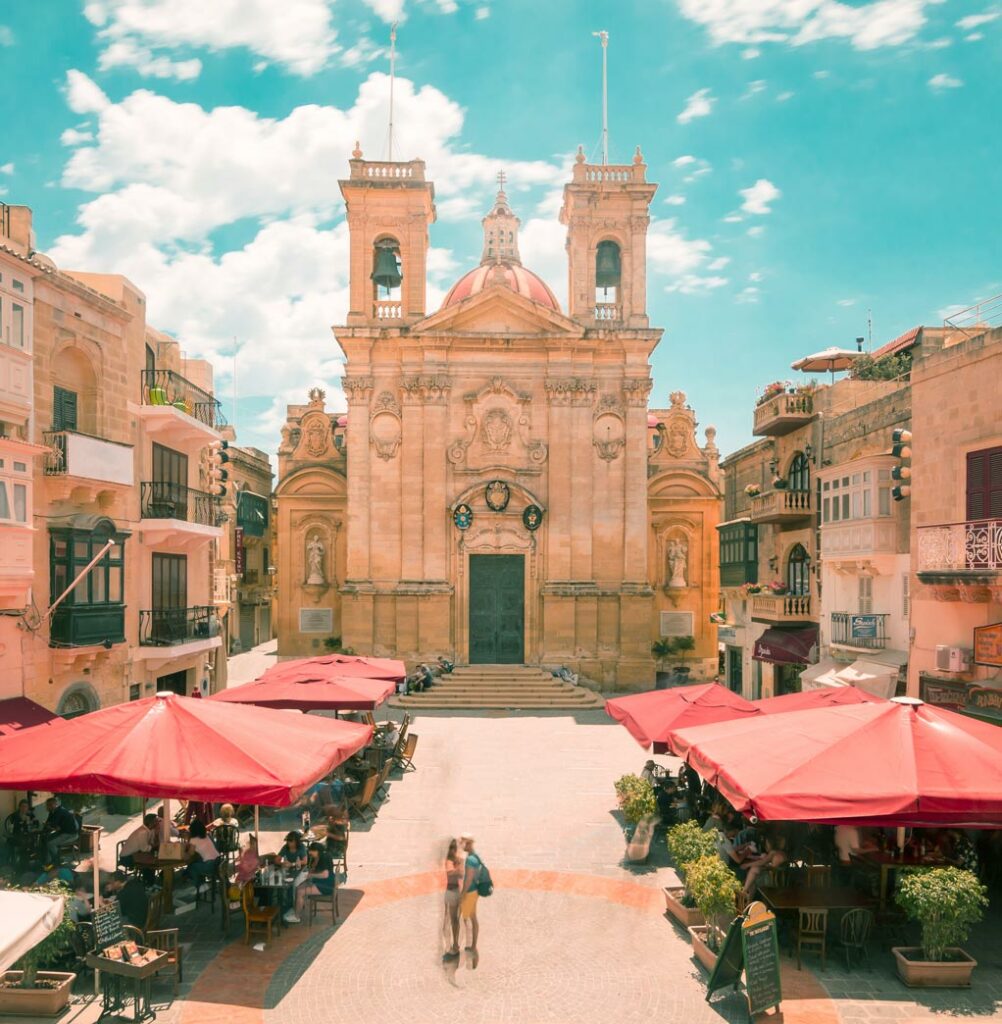
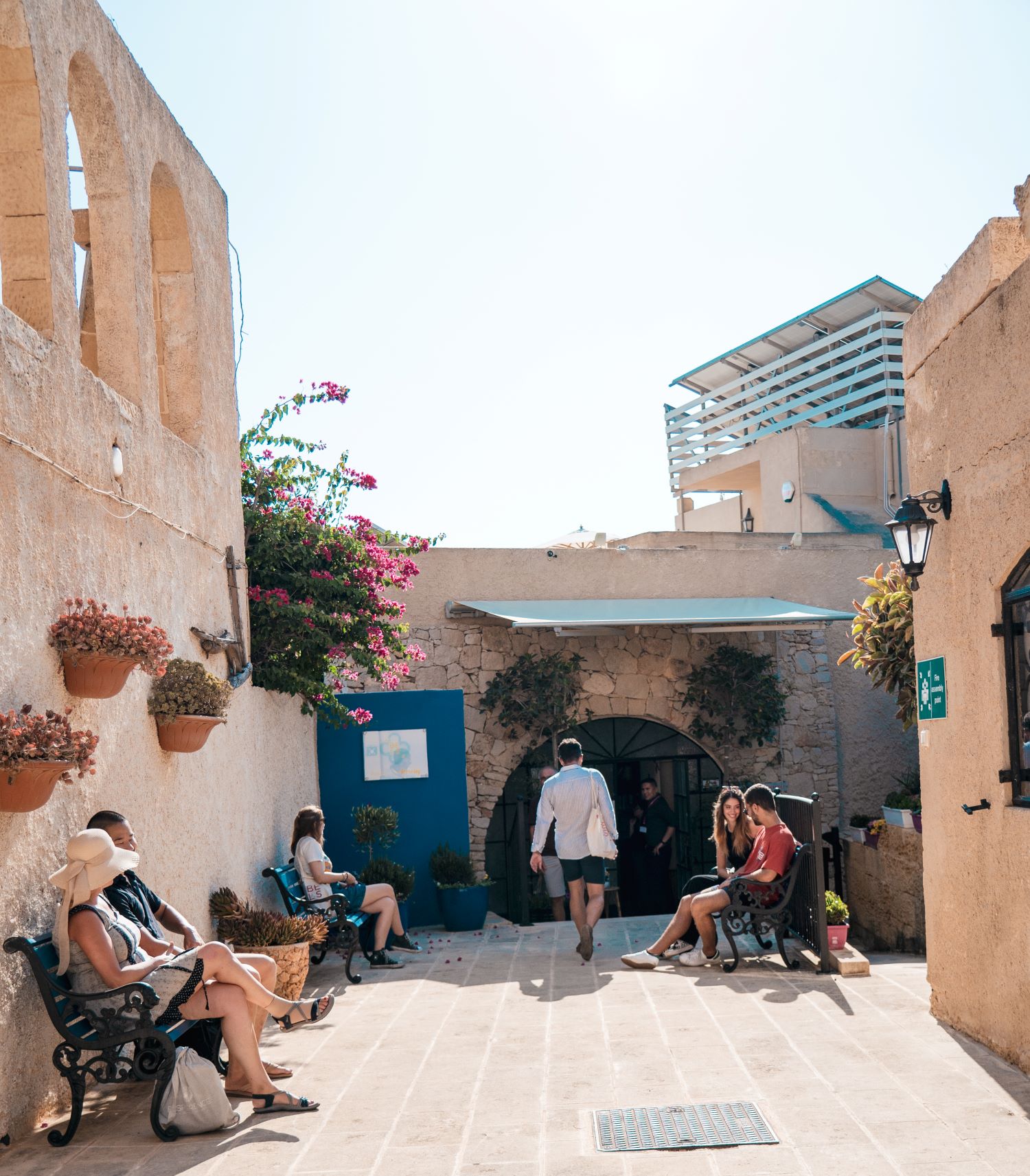
We have beautiful old streets, traditional balconies, alleyways, stone façades, historic buildings and village squares. When puppets and performers move through this setting, the whole village becomes a natural theatre.
But there is another important reason: our community.
Għarb has a strong identity and a tremendous sense of belonging. We are proud of our traditions, but we are also open to new ideas and international collaboration. For me, that combination — local identity with an international outlook — is exactly what this festival represents.
We want people to come to Għarb not simply to attend an event, but to discover the village, meet its people and experience its character.
The first edition began with enthusiasm, imagination and a clear vision: to create something distinctive for Għarb and Gozo.
Naturally, when you organise a new international festival, you do not know exactly how people will react. But the response encouraged us enormously.
Today, the festival is developing beyond what we originally imagined. We are welcoming different styles of puppetry, larger productions, giant puppets, marionettes, street performances and interactive workshops, while building relationships with artists from different countries.
What started as an idea is gradually becoming an established cultural appointment.
And we are still ambitious. I do not see this festival as a finished product. I see it as something that should continue growing year after year.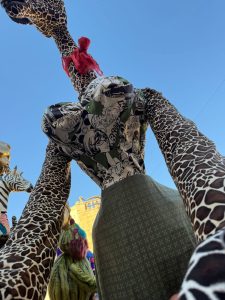
Its greatest strength is its simplicity.
You do not necessarily need a huge stage, sophisticated technology or even a common language. A puppet, a movement, some music and a talented performer can communicate an entire story.
That makes puppetry incredibly universal.
It is also one of those rare art forms where children and adults can stand next to each other and become equally absorbed. Children see the magic; adults often see another layer — the craftsmanship, symbolism, humour and emotion behind it.
And when the performance takes place outdoors, surrounded by people rather than separated from them by a stage, the audience becomes part of that story.
Żgugina represents something very important to us: our own story and our own identity .
For me, an international festival should never mean losing the local character. In fact, it should do exactly the opposite — it should provide a bigger stage on which we can present our heritage.
Through characters such as Żgugina, we can take elements of our traditions, humour, memories and Gozitan identity and introduce them to visitors and artists coming from abroad.
That is particularly important for children. Heritage survives when the next generation connects with it. If we can take a local story and present it through puppetry, theatre, music and imagination, suddenly that heritage becomes alive again.
So while we welcome the world to Għarb, we also want Għarb to tell its story to the world.
The reaction is one of the most rewarding aspects.
You see children completely fascinated, following the puppets through the streets, laughing and wanting to get closer. Then you look at their parents and grandparents and very often they are enjoying it just as much.
There is a wonderful atmosphere because people are not confined to a theatre. They move around the village, encounter different performances, participate in activities and discover something unexpected.
We also receive very positive reactions from visitors who are surprised that a village like Għarb is producing an international festival of this nature.
For me, that is a great compliment. Our size should never determine the size of our ideas.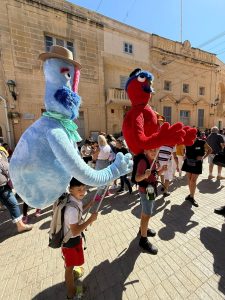
This is fundamental to the festival.
International participation brings different traditions, techniques and forms of puppetry into Għarb. Every country and every artist approaches storytelling differently, so audiences have the opportunity to experience a remarkable mixture of cultures in one village.
But I also want this exchange to work both ways.
The international artists come here and discover Gozo, Għarb, our traditions and our hospitality. Our local artists, young people and children, meanwhile, are exposed to new artistic ideas and techniques.
That is real cultural exchange — not simply importing a performance, but creating relationships between people and cultures.
My ambition is for the Gozo International Puppet Festival to continue developing its international reputation and for artists to recognise Għarb as a place where creativity, tradition and cultural exchange are genuinely valued.
Absolutely — and I believe it is becoming more important than ever.
Technology and AI are changing our lives at extraordinary speed, and there are enormous opportunities in that. We should embrace progress. But progress should not mean losing human connection, creativity, tradition or the simple pleasure of experiencing something together.
In Għarb we want to create reasons for people to leave their screens, come outdoors, meet each other and experience something real.
With the International Puppet Festival, a child can stand a few metres away from an artist manipulating a puppet and see the craftsmanship behind the magic. With the International Kite and Wind Festival, families can look up at a sky filled with colour, movement and enormous kites and share that experience together.
These are simple things, but they are powerful.
Our cultural strategy is therefore very deliberate: preserve what makes us authentic while being courageous enough to innovate.
I want Għarb to demonstrate that a small rural community can be outward-looking, creative and international without sacrificing its identity.
We do not need to become another place to be successful. We need to become the best and most confident version of Għarb.
If our festivals can bring generations together, support artists, attract visitors to Gozo, strengthen our local economy and, above all, make our children proud of where they come from, then we are achieving something much greater than simply organising events.
We are building a cultural identity and a legacy for Għarb — one that is rooted in our traditions but confident enough to reach out to the world.
VisitGozo would like to thank the mayor of Għarb, Mr David Apap for this interview and for providing the pictures.
BACK TO BLOG POSTS